How to Choose the Best Sunscreen for Your Skin Type After 40
Disclosure: This article contains affiliate links. If you purchase through these links, I may earn a small commission at no extra cost to you. I only recommend products that I believe may be valuable to my readers.
If there’s one skincare product I wish I had started using every single day years ago, it’s sunscreen.
Once we reach our 40s, our skin begins to change. We may notice more fine lines, dark spots, uneven skin tone, or a loss of firmness. While we can’t stop the aging process, we can protect our skin from one of its biggest aging factors: the sun.
The good news? Finding the right sunscreen doesn’t have to be complicated. Let’s break it down in a simple way.
Why Sunscreen Matters More Than Ever
Up to 90% of visible skin aging is linked to sun exposure over time. UV rays don’t just cause sunburn—they also contribute to wrinkles, hyperpigmentation, collagen breakdown, and can increase the risk of skin cancer.
That’s why dermatologists recommend wearing sunscreen every day, even when it’s cloudy or you’re spending most of your time indoors near windows.
The Two Main Types of Sunscreens
1. Chemical Sunscreens
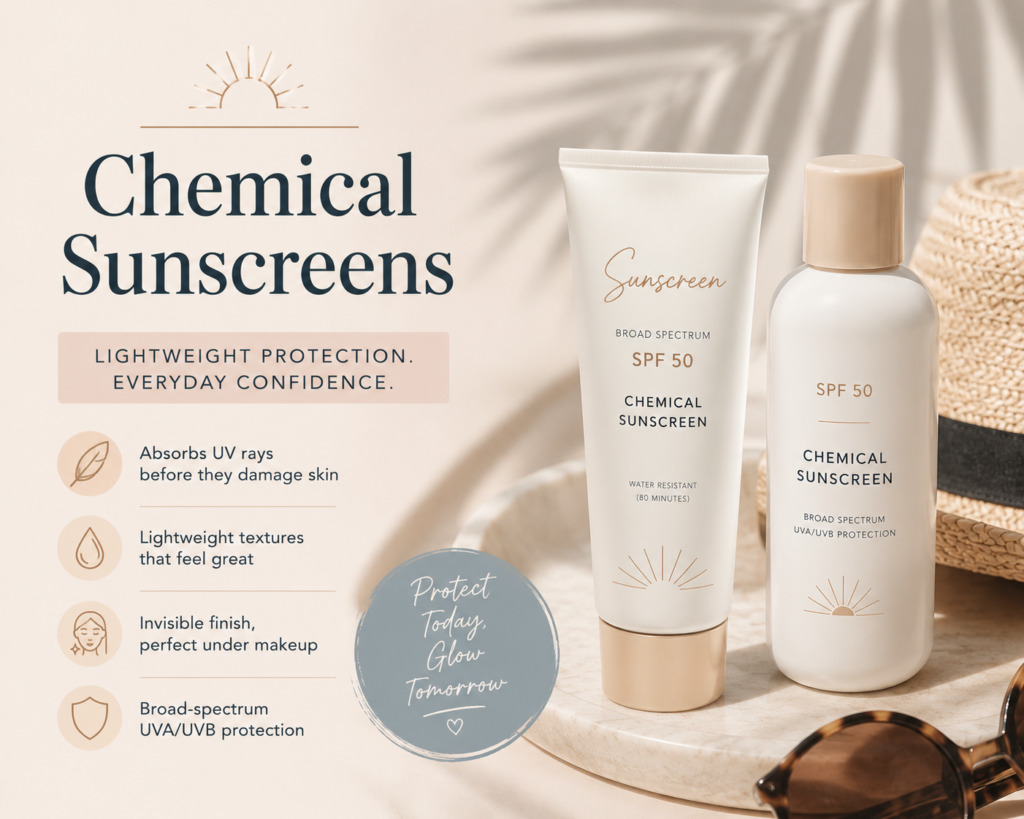
Chemical sunscreens absorb UV rays before they can damage your skin, helping protect against premature aging, dark spots, and sun damage. They typically have a lightweight, invisible finish and layer beautifully under makeup, making them an excellent choice for everyday wear.
They’re especially well suited for:
- Normal skin
- Combination skin
- Oily skin
- Anyone who wears makeup daily
Here are a few excellent chemical sunscreen options to consider:
EltaMD UV Skin Recovery Red Color Correcting Green Tint Broad Spectrum SPF 50
Perfect for sensitive skin that experiences redness. This mineral-enhanced formula helps calm the skin while the green tint visibly neutralizes redness, leaving your complexion looking more even and balanced.
Shop HERE
EltaMD UV Daily Hydration+ Tinted SPF 50
A hydrating tinted sunscreen that provides broad-spectrum protection while giving your skin a natural, healthy-looking glow. It’s an excellent everyday option for normal to dry skin and works beautifully as a lightweight alternative to foundation.
Shop HERE or if you don’t like the tinted version try THIS
EltaMD UV Clear Acne Blemish-Prone & Oil Balancing SPF 50
Designed specifically for acne-prone, oily, and sensitive skin, this dermatologist-favorite sunscreen helps balance excess oil while providing lightweight, broad-spectrum sun protection without clogging pores.
Shop HERE
EltaMD UV Skin Recovery Broad Spectrum SPF 50
A soothing daily sunscreen formulated for sensitive or compromised skin. It helps strengthen the skin barrier while delivering reliable SPF 50 protection, making it a great choice for anyone dealing with irritation or post-treatment skin.
Shop HERE
2. Mineral Sunscreens
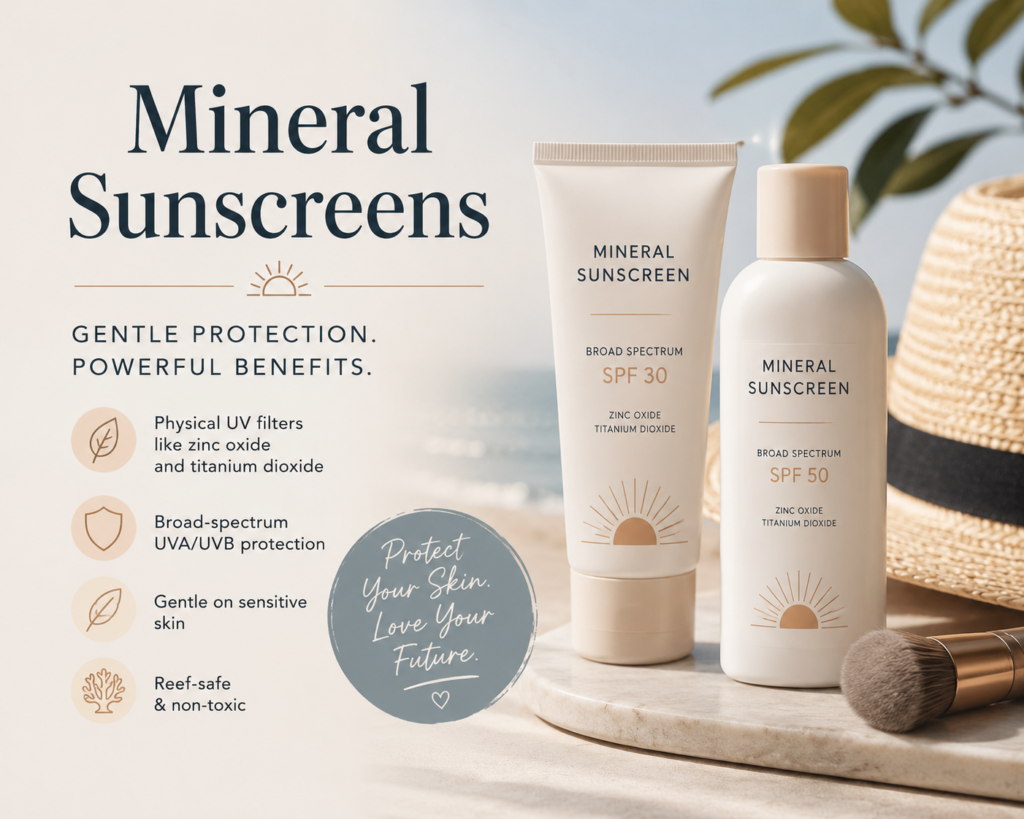
Mineral sunscreens contain zinc oxide, titanium dioxide, or both. They sit on the skin’s surface while also absorbing some UV radiation, providing excellent broad-spectrum protection against both UVA and UVB rays.
Because they’re generally less likely to cause irritation, dermatologists often recommend mineral sunscreens for:
- Sensitive skin
- Rosacea-prone skin
- Mature skin that reacts easily
Here are some excellent mineral sunscreen options to consider:
Elta MD UV Clear Broad-Spectrum SPF 46
A lightweight mineral sunscreen formulated for sensitive and acne-prone skin. It provides broad-spectrum UV protection while helping calm the skin without feeling heavy or greasy, making it a great everyday choice.
Shop Elta MD UV Clear Broad-Spectrum SPF 46 HERE
ISDIN Eryfotona Actinica Mineral Broad-Spectrum Face Sunscreen SPF 50+
This 100% mineral sunscreen offers high SPF protection while helping prevent sun damage. Its lightweight formula is especially well suited for sensitive and sun-damaged skin, making it a dermatologist-recommended option for daily use.
Shop ISDIN Eryfotona Actinica Face Sunscreen HERE
ISDIN Eryfotona Ageless Mineral Broad-Spectrum Tinted Face Sunscreen SPF 50
Designed for mature skin, this tinted mineral sunscreen provides broad-spectrum protection while helping improve the appearance of fine lines and uneven skin tone. The sheer tint blends naturally for a healthy-looking complexion.
Shop ISDIN Eryfotona Ageless Tinted Face Sunscreen SPF 50 HERE
ISDIN Eryfotona Favorites Set
If you’d like to try some of ISDIN’s most popular sun protection products, this set is a great value. It includes dermatologist-favorite formulas that make it easy to build a daily sun protection routine.
Shop the ISDIN Eryfotona Favorites Set HERE
What Does SPF Actually Mean?
SPF stands for Sun Protection Factor and measures protection against UVB rays, which are responsible for sunburn.
Here’s a simple guide:
- SPF 30 blocks about 97% of UVB rays.
- SPF 50 blocks about 98% of UVB rays.
- SPF 50+ provides even higher protection under testing conditions.
For most women over 40, I recommend choosing SPF 30 for daily indoor and office days, and SPF 50 whenever you’ll be outdoors for longer periods, traveling, gardening, walking, or enjoying the beach.
Don’t Forget UVA Protection
While UVB rays cause sunburn, UVA rays penetrate deeper into the skin and are largely responsible for premature aging.
Look for labels that say:
- Broad Spectrum
- UVA/UVB Protection
These indicate your sunscreen protects against both types of harmful rays.
Choosing the Right Sunscreen for Your Skin Type
Dry Skin
Look for moisturizing formulas with ingredients like:
- Hyaluronic acid
- Ceramides
- Glycerin
- Squalane
Cream-based sunscreens are often the most comfortable choice.
Try this → MDSolarSciences Mineral Moisture Defense SPF 50
Oily or Acne-Prone Skin
Choose lightweight gels or fluids labeled:
- Oil-free
- Non-comedogenic
- Matte finish
These formulas help protect your skin without feeling greasy.
Try this → EltaMD UV Clear Acne Blemish-Prone & Oil Balancing SPF 50
Sensitive Skin
Mineral sunscreens with zinc oxide are often the gentlest option.
Look for fragrance-free formulas if your skin tends to react easily.
I recommend this → Colorescience Sunforgettable Total Protection Face Shield Flex SPF 50
Combination Skin
Hybrid sunscreens often provide the perfect balance—lightweight hydration without excess shine.
I recommend this → EltaMD UV Physical Rosy SPF40
Mature Skin
As our skin matures, hydration becomes just as important as sun protection.
Many modern sunscreens now include skincare ingredients like antioxidants, peptides, niacinamide, and hyaluronic acid, making them multitasking products you’ll actually enjoy wearing every day.
I recommend this → ISDIN Eryfotona Ageless Tinted Face Sunscreen SPF 50
How Much Sunscreen Should You Apply?
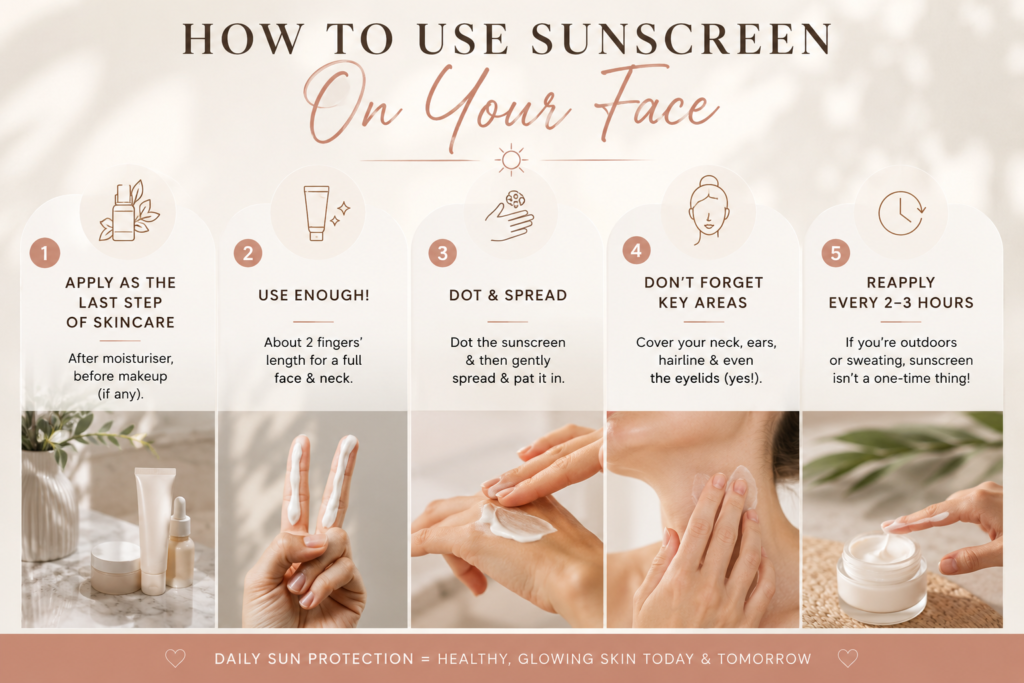
Most of us simply don’t use enough.
For your face and neck, aim for about two finger lengths of sunscreen.
If you’re spending time outdoors, reapply every two hours—or sooner if you’re swimming or sweating.
My Final Thoughts
Sunscreen isn’t just about preventing sunburn. It’s one of the simplest and most effective ways to help keep your skin looking healthy, smooth, and radiant for years to come.
The best sunscreen is the one you’ll actually wear every single day.
Whether you prefer a lightweight chemical formula, a gentle mineral sunscreen, or a modern hybrid option, protecting your skin today is one of the best investments you can make for your future self.
Shop My Top Sunscreen Picks:
For dehydrated skin → EltaMD UV Daily Hydration+ SPF 50
For mature skin → ISDIN Eryfotona Ageless Tinted Face Sunscreen SPF 50
For combination skin → EltaMD UV Physical Rosy SPF40
For oily or acne-prone skin → EltaMD UV Clear Acne Blemish-Prone & Oil Balancing SPF 50
For sensitive skin → Colorescience Sunforgettable Total Protection Face Shield Flex SPF 50
For dry skin → MDSolarSciences Mineral Moisture Defense SPF 50
What’s your favorite sunscreen? I’d love to hear about it in the comments!
With love,
Agnes
Pingback: Morning and Evening Skincare Routine for Women Over 40 - Fashion Lifestyle Blog