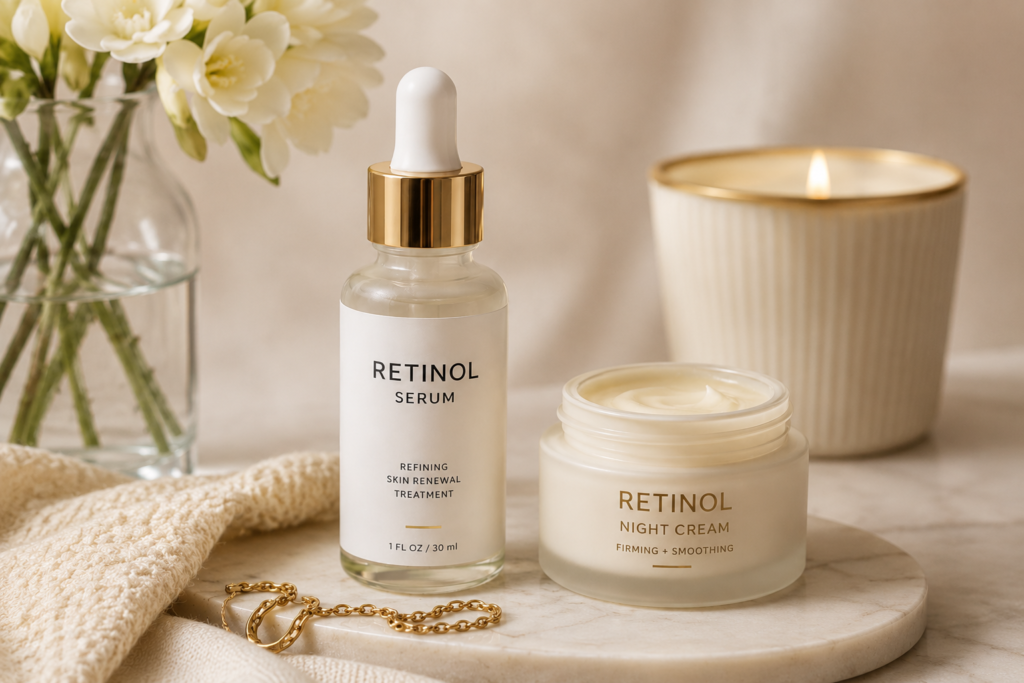
Retinol: The Superstar You Shouldn’t Ignore
Disclosure: This article contains affiliate links. If you purchase through these links, I may earn a small commission at no extra cost to you. I only recommend products that I believe may be valuable to my readers.
Retinol is one of the most powerful skincare ingredients out there when it comes to:
- reducing wrinkles
- keeping your skin firm and youthful
- and treating common skin concerns
Because there’s so much confusion and misinformation about retinol, it’s time to clear things up once and for all.
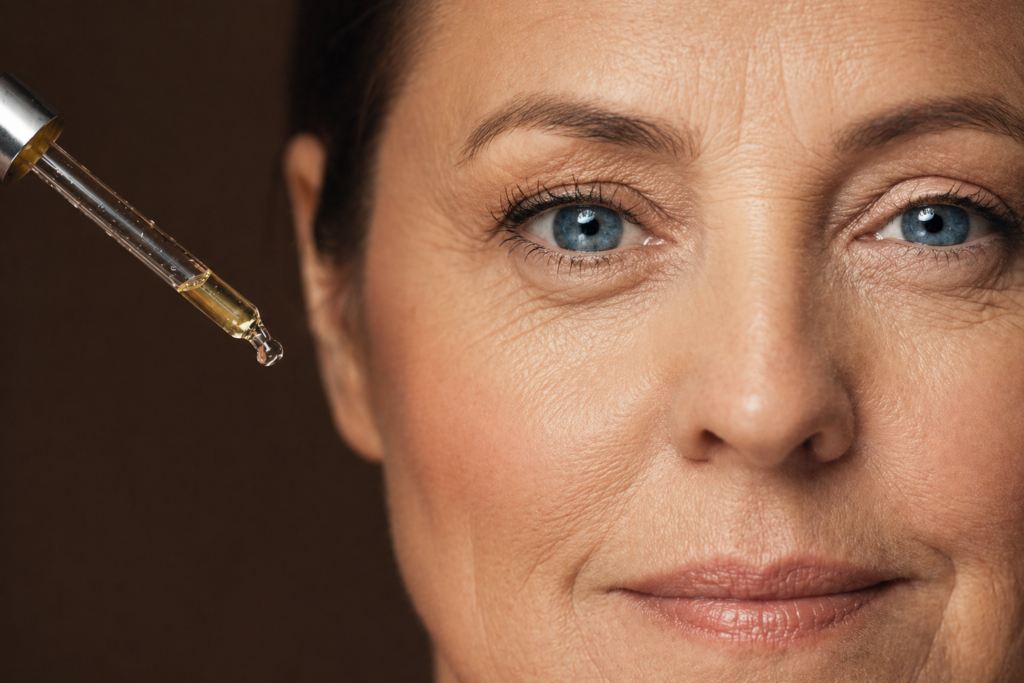
What should you know about retinol?
Retinol is a form of vitamin A — a fat-soluble vitamin that plays a key role in your body’s overall function, especially for your bones, brain, muscles. You already get vitamin A through your diet, but your skin benefits even more when it’s applied topically.
Here’s the important part:
Retinol itself isn’t active. Your skin converts it into retinoic acid — the form that actually works on your skin cells.
And yes, retinoic acid is officially recognized as a powerful anti-aging ingredient.
That’s enough chemistry for now — let’s talk results.
What does retinol actually do for your skin?
There’s a ton of research backing up its benefits. Here’s what it can do:
- ✔️ Reduces the depth of wrinkles and helps prevent new ones
- ✔️ Speeds up skin cell turnover for smoother, fresher skin
- ✔️ Boosts collagen and elastin production → firmer skin
- ✔️ Acts as an antioxidant, protecting against environmental damage
- ✔️ Helps clear and tighten pores (great for acne-prone skin)
- ✔️ Evens out skin tone and fades pigmentation spots
Originally used to treat acne, retinol quickly proved to be a game-changer for anti-aging too.
What should you pay attention to when using retinol?
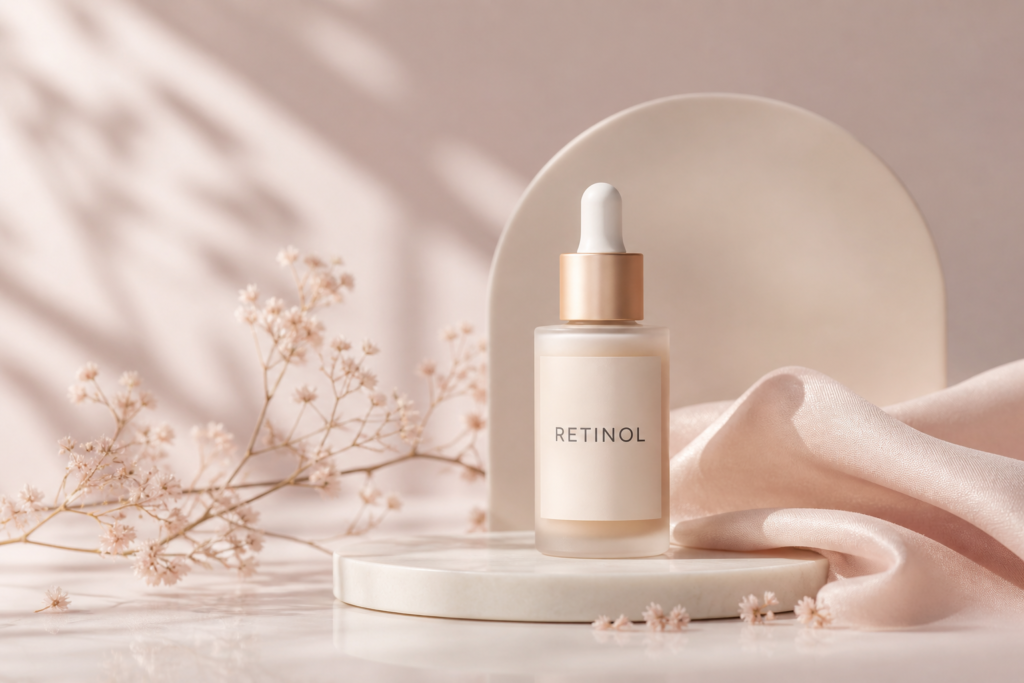
Let’s be real: retinol is amazing — but you need to use it the right way.
Start slow
If you have sensitive skin, you might experience irritation at first.
If you’re new to retinol, it’s best to start with a lower concentration and gradually increase usage as your skin builds tolerance.
👉 Beginner-Friendly Retinol Serum that I recommend
- Begin with 2 times per week (at night only)
- Gradually increase frequency week by week
- Eventually, you can use it 5–7 times per week if your skin tolerates it
For Experienced Retinol Users
Experienced users who tolerate retinol well may choose higher-strength formulas for more advanced anti-aging support.
👉 Intermediate Retinol Serum that I recommend
Does retinol make your skin sensitive to the sun? (Myth vs. truth)
Short answer: No, it doesn’t.
Retinol itself does not make your skin more prone to sunburn.
So why does this myth exist?
- Retinol speeds up skin renewal
- Your fresh new skin can be more sensitive at first
- That’s why protection matters more
How to use retinol the right way
✔️ Use it at night only
Sunlight breaks it down, making it less effective.
✔️ Moisturize
Retinol can cause dryness and peeling — a good moisturizer helps protect your skin barrier.
✔️ Wear sunscreen the next morning
Use SPF 30–50 every single day.
Not because retinol makes you sun-sensitive — but because your fresh skin needs protection and UV damage cancels out your anti-aging efforts. Let’s be honest… sunscreen is already part of your routine, right?
Read more about the importance of sunscreen here.
Important tip
Avoid using retinol together with strong exfoliants — this can irritate your skin.
How should you store retinol?
Retinol is sensitive to:
- light
- heat
- air
So make sure to:
- keep it in a cool, dark place
- or store it in the fridge if needed
Some products require refrigeration — always check the label.
Who should use retinol?
Honestly? Almost everyone over 20.
Here’s why:
- Collagen production starts decreasing in your 20s
- Early use helps prevent fine lines and wrinkles
- It’s also incredibly effective against acne
After 30? It’s basically a must-have in your routine.
Ready to Add Retinol to Your Routine?
Whether you’re just getting started or looking to upgrade to a stronger formula, choosing the right retinol product can make a significant difference in your skincare results.
Explore my recommended retinol products below:
- Beginner Retinol → Try This
- Advanced Retinol → Try This
- For Brighter-Looking Eyes → Try This
- Budget-Friendly Retinol → Try This or This
With Love
Agnes
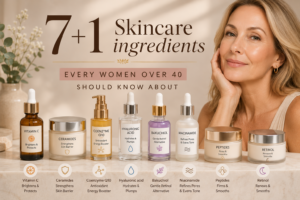


Pingback: 7+1 Skincare Ingredients Every Woman Over 40 Should Know About - Fashion Lifestyle Blog
Pingback: Evening Routine for Women Over 40: Sleep Better & Wake Refreshed - Fashion Lifestyle Blog